 By Ezra Luca
At first glance, bingo seems straightforward: numbers are called, cards are marked, and winners are decided. Because of this simplicity, many people assume bingo is purely about luck. In reality, bingo offers much more. It blends probability, psychology, social connection, and strategic choices into an experience that goes far beyond random chance.
The Common Misconception About Bingo
Bingo’s reputation as a “luck-only” game comes from its easy-to-learn rules. Anyone can join in within minutes, regardless of age or background. However, simplicity does not mean shallowness. While chance plays a role, how players engage with the game can significantly influence outcomes and enjoyment.
Understanding Probability in Bingo
Every bingo game is governed by probability, not pure randomness. The structure of the game affects the odds in measurable ways.
Key probability factors include:
-
Number of players: Fewer competitors increase the likelihood of winning.
-
Cards in play: More cards can improve coverage of called numbers, but also demand greater focus.
-
Game format: Different patterns (lines, full house, shapes) change the statistical chances.
Players who understand these elements are making informed decisions, not simply relying on luck.
Strategic Choices Players Can Control
Although players cannot control which numbers are called, they can control how they play.
Smart player decisions often involve:
-
Choosing games with fewer participants.
-
Managing the number of cards to balance attention and coverage.
-
Selecting games with favorable prize-to-player ratios.
These choices introduce strategy and foresight, proving bingo rewards awareness as much as chance.
The Role of Focus and Pattern Recognition
Modern bingo, especially faster-paced versions, requires concentration. Players must:
-
Track multiple cards accurately.
-
Recognize patterns quickly.
-
Avoid missed calls or marking errors.
This mental engagement turns bingo into a game of attention and cognitive skill, particularly in competitive settings.
Bingo as a Social Experience
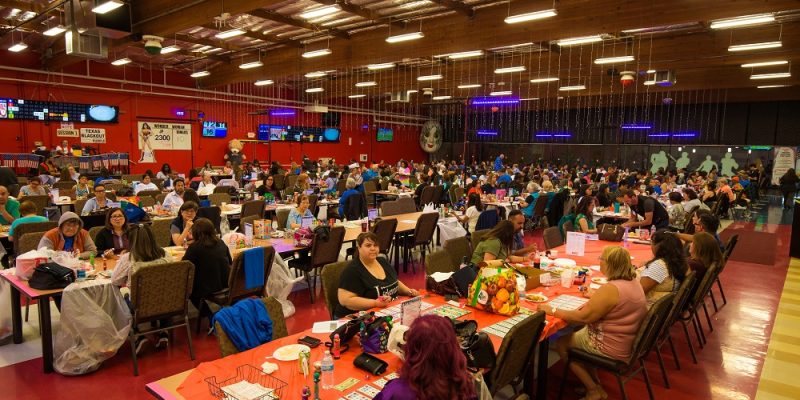
One of bingo’s strongest elements is its social nature. Whether played in community halls or online platforms, bingo fosters interaction and shared excitement.
Social benefits include:
-
Building connections among players.
-
Reducing feelings of isolation, especially among older adults.
-
Creating a relaxed, inclusive environment.
These aspects make bingo emotionally rewarding, not just financially motivating.
Online Bingo and Skill Development
Digital bingo has expanded the game’s depth. Online platforms introduce features such as:
-
Auto-marking tools that allow players to manage multiple cards.
-
Themed rooms with varying rules and speeds.
-
Loyalty systems that reward consistent, thoughtful play.
In these environments, experience and adaptability often distinguish casual players from regular winners.
Psychological Elements That Shape Outcomes
Bingo also involves psychological awareness. Knowing when to take breaks, managing excitement, and maintaining discipline all influence long-term results. Players who stay calm and focused are better equipped to make smart choices over time.
Why Bingo Appeals Across Generations
Bingo’s lasting popularity comes from its balance of chance and control. It offers:
-
Low barriers to entry.
-
Opportunities for strategic thinking.
-
Meaningful social engagement.
This combination explains why bingo remains relevant across cultures and age groups.
Frequently Asked Questions (FAQs)
Is bingo entirely based on luck?
No. While number selection is random, player choices, focus, and game selection play meaningful roles in outcomes.
Does playing more cards increase your chances of winning?
Playing more cards can improve number coverage, but only if you can manage them without losing concentration.
Are online bingo games fair?
Reputable platforms use certified random number generators to ensure fairness while still allowing strategic play choices.
Can experience really make a difference in bingo?
Yes. Experienced players understand odds, pacing, and card management better than beginners.
Is bingo considered a skill-based game?
Bingo is a hybrid game. Chance determines numbers, but skill influences how effectively players respond.
Why is bingo often recommended for social engagement?
Bingo naturally encourages interaction, conversation, and shared excitement, making it ideal for community building.
Are there ways to play bingo responsibly?
Setting time and budget limits, choosing appropriate games, and playing for enjoyment rather than pressure all support responsible play.