
 By Ezra Luca
Poker tells are the subtle clues players give away—often without realizing it—that reveal information about their hand strength, intentions, or emotional state. While tells are most famously associated with live poker, they exist in online games too, just in different forms. Understanding how to spot, interpret, and avoid giving tells can dramatically improve your win rate in both formats.
What Are Poker Tells?
A poker tell is any behavioral, physical, or timing-based pattern that provides insight into a player’s decision-making. These signals aren’t guarantees, but when combined with solid fundamentals—like position, bet sizing, and board texture—they become powerful tools.
Common categories of tells include:
-
Physical tells (live poker only)
-
Timing tells (both live and online)
-
Betting pattern tells
-
Emotional or psychological tells
Poker Tells in Live Games
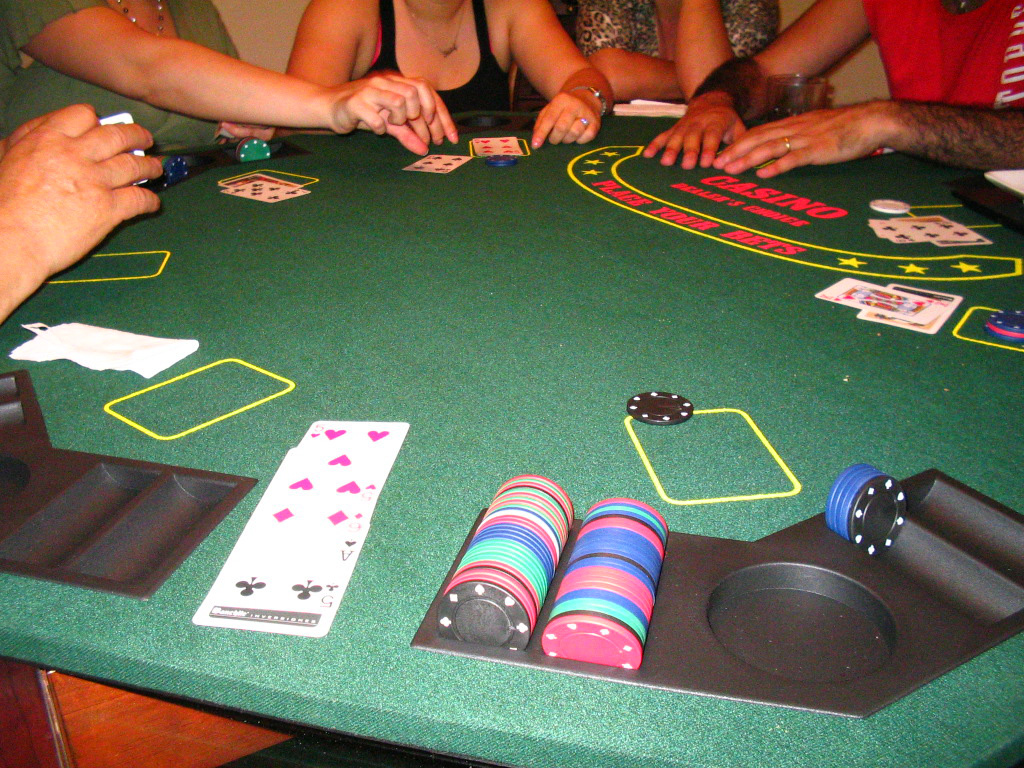
Live poker offers the richest environment for reading opponents because you can observe real-time human behavior.
Physical Tells to Watch For
Some physical reactions are instinctive and difficult to fake or suppress.
Common live poker tells include:
-
Shaking hands – Often caused by adrenaline when holding a very strong hand
-
Sudden stillness – Players freezing up may be trying to appear calm with strength
-
Rapid breathing or flared nostrils – Indicates excitement or stress
-
Eye behavior – Staring at chips can mean interest in betting; avoiding eye contact can signal weakness
Chip and Hand Movements
How a player handles their chips can be very revealing.
-
Splashing chips confidently often signals strength
-
Hesitant or awkward chip movements can suggest uncertainty
-
Protecting cards aggressively may indicate a valuable hand
Speech and Table Talk Tells
When players talk, they often leak information unintentionally.
-
Overexplaining usually means weakness
-
Sudden silence from a talkative player can mean focus due to a strong hand
-
Reverse psychology statements (“I guess I’ll bet…”) are frequently bluffs
Poker Tells in Online Games
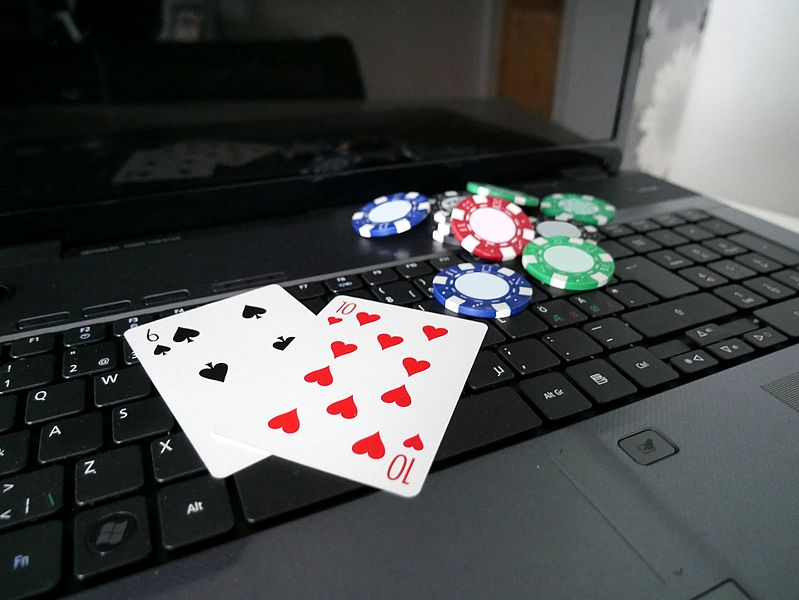
Online poker removes physical cues, but replaces them with digital behavior patterns that are often more consistent and easier to track.
Timing Tells
Timing is one of the strongest indicators in online play.
Examples include:
-
Instant checks often indicate weakness or autopilot play
-
Long pauses followed by big bets may suggest bluffing
-
Consistent timing regardless of decision usually signals a disciplined or experienced player
Bet Sizing Patterns
Players reveal hand strength through how much they bet.
-
Small bets after aggression often signal weakness
-
Sudden oversized bets can indicate polarized ranges (very strong hands or bluffs)
-
Unchanged bet sizing across streets may show a scripted strategy
Auto-Play and Multitabling Tells
Online players frequently multitask, which creates exploitable habits.
-
Delayed reactions in big pots may indicate the player shifted focus
-
Fast folds from blinds can show lack of defense awareness
-
Predictable pre-flop raises often reveal rigid hand charts
Psychological Tells That Apply Everywhere
Some tells transcend format and stem from human psychology.
Emotional State Shifts
Watch for sudden changes in behavior after a bad beat or big win.
-
Tilt leads to looser calls and reckless bluffs
-
Overconfidence results in unnecessary aggression
-
Fear causes players to avoid marginal spots
Pattern Recognition Over Single Reads
One tell alone means little. Repeated behavior is what matters.
-
Track tendencies over multiple hands
-
Compare actions in similar situations
-
Look for deviations from a player’s “normal” style
How to Avoid Giving Away Your Own Tells
Great players don’t just read tells—they eliminate their own.
Best practices include:
-
Use consistent bet sizing across hand strengths
-
Maintain uniform timing for all decisions
-
Avoid unnecessary table talk
-
Control breathing and posture in live games
-
Stick to a clear strategy rather than emotional reactions
Are Poker Tells Always Reliable?
Poker tells are contextual, not absolute truths. A shaky hand could be nerves. A long pause could be a distraction. The real power comes from combining tells with logic, math, and game flow.
The most dangerous mistake is overvaluing a single tell without supporting evidence.
Frequently Asked Questions (FAQ)
1. Are poker tells more important than math and odds?
No. Poker tells are a supplement, not a replacement, for solid fundamentals like pot odds and position.
2. Can beginners effectively use poker tells?
Yes, especially obvious timing and emotional tells, but beginners should avoid making big decisions based on tells alone.
3. Do professional players still give off tells?
Everyone gives tells occasionally, but experienced players minimize them and disguise patterns better.
4. Are online poker tells easier or harder to exploit than live tells?
Online tells are often more consistent, making them easier to track over time, while live tells are richer but more situational.
5. Can poker tells be faked intentionally?
Some players attempt false tells, but consistently faking behavior without slipping is extremely difficult.
6. How long does it take to get good at reading tells?
It varies, but meaningful improvement usually comes after hundreds of observed hands and focused attention.
7. Should I focus on tells in low-stakes games?
Yes. Low-stakes players tend to have more obvious and less controlled tells, making them highly exploitable.