 By Ezra Luca
Card games have been a part of human culture for centuries, crossing borders, generations, and social classes. From competitive strategy games to lighthearted family pastimes, card games continue to thrive in both physical and digital forms. Their simplicity, adaptability, and depth make them universally appealing.
What Is a Card Game?
A card game is any game that uses a deck of cards as its primary playing component. Players follow a set of predefined rules that determine how cards are dealt, played, and scored. While many card games rely on standard 52-card decks, others use specialized or custom-designed cards.
Card games can be played:
-
Solo, such as patience-style games
-
One-on-one, emphasizing skill and tactics
-
In groups, encouraging social interaction and teamwork
A Brief History of Card Games
The earliest known card games originated in Asia, with evidence tracing back to ancient China. Over time, card-playing traditions spread through trade routes into the Middle East and Europe. By the 14th century, playing cards had become widespread, evolving into recognizable suits and ranks.
As printing technology improved, cards became more accessible, leading to an explosion of regional variations and rule sets. Today, card games are enjoyed worldwide in homes, casinos, tournaments, and online platforms.
Popular Types of Card Games
Card games come in many forms, each appealing to different player preferences.
Trick-Taking Games
These games focus on winning rounds or “tricks.”
-
Players compete to play the strongest card in a round
-
Strategy depends on memory, timing, and prediction
Matching and Shedding Games
The goal is often to get rid of all your cards.
-
Emphasis on pattern recognition
-
Fast-paced and beginner-friendly
Casino and Gambling Card Games
Often played for money or points.
-
Combine probability, psychology, and risk management
-
Require strong decision-making under pressure
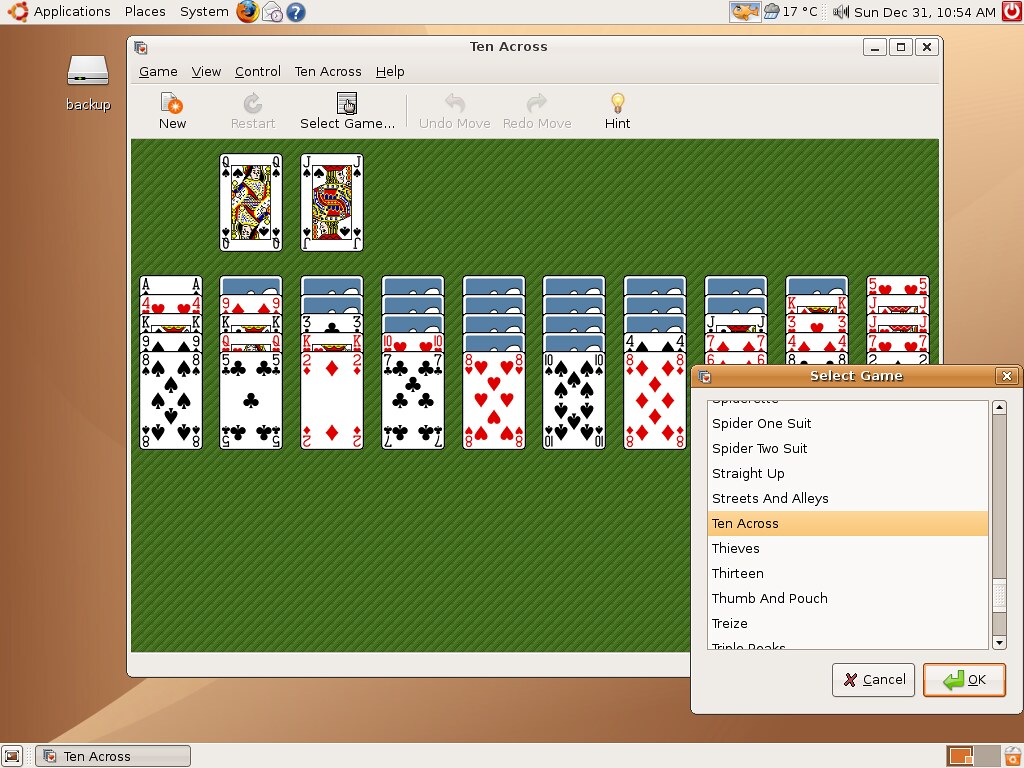
Solitaire and Single-Player Games
Designed for solo play.
-
Focus on logic and planning
-
Excellent for relaxation and mental exercise
Skills Developed Through Card Games
Playing card games is more than just entertainment. Regular play helps sharpen valuable skills, including:
-
Strategic thinking and long-term planning
-
Memory and concentration
-
Mathematical reasoning and probability assessment
-
Social skills, such as communication and sportsmanship
Many educators and psychologists recognize card games as effective tools for cognitive development.
Card Games in the Digital Age
With the rise of smartphones and online platforms, card games have entered a new era. Digital versions allow players to:
-
Compete with others globally
-
Practice solo against AI opponents
-
Learn rules through guided tutorials
Despite the shift to screens, traditional physical card games remain popular for their tactile feel and face-to-face interaction.
Why Card Games Remain So Popular
The lasting appeal of card games lies in their flexibility and inclusiveness. They require minimal equipment, are easy to learn at a basic level, yet offer deep complexity for experienced players. Whether played casually or competitively, card games adapt to different moods, skill levels, and social settings.
Frequently Asked Questions (FAQ)
1. What is the most widely played card game in the world?
This varies by region, but games using the standard 52-card deck are among the most commonly played globally.
2. Can card games improve mental health?
Yes, many card games help reduce stress, improve focus, and encourage social connection.
3. Are card games suitable for children?
Absolutely. Many card games are designed specifically for children and help develop basic math and logic skills.
4. Do all card games require a standard deck?
No. Some card games use custom decks, themed cards, or fewer cards depending on the rules.
5. Is luck more important than skill in card games?
Most card games involve a balance of both. While luck influences card distribution, skill determines how effectively players use their hands.
6. Can card games be played professionally?
Yes, certain card games support professional tournaments with structured rankings and prize pools.
7. What makes a good card game for beginners?
Simple rules, short playtime, and minimal strategy depth make a card game ideal for beginners.